
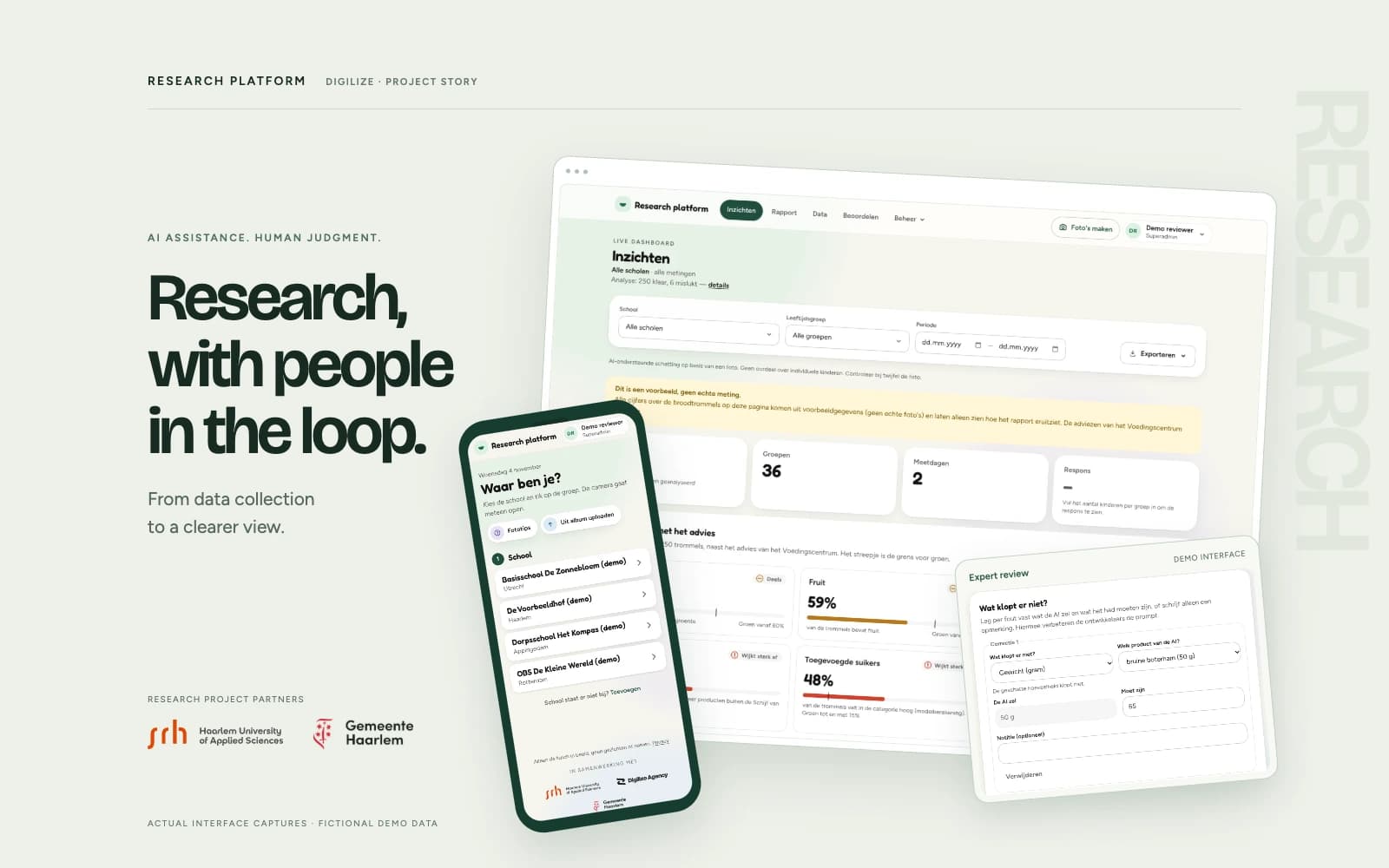
Research depends on what happens before a chart is drawn. Collecting information needs to fit the place where the work happens. Analysis needs context. And people need a way to question an estimate before drawing conclusions from it.
For a school-lunch research project involving SRH Haarlem and Gemeente Haarlem, we built a platform that connects those steps: photographing lunches, AI-assisted analysis, expert review and reporting for schools.
Our role was to turn that process into a practical service, from the person collecting the data to the people making sense of it.

Start where the data is collected
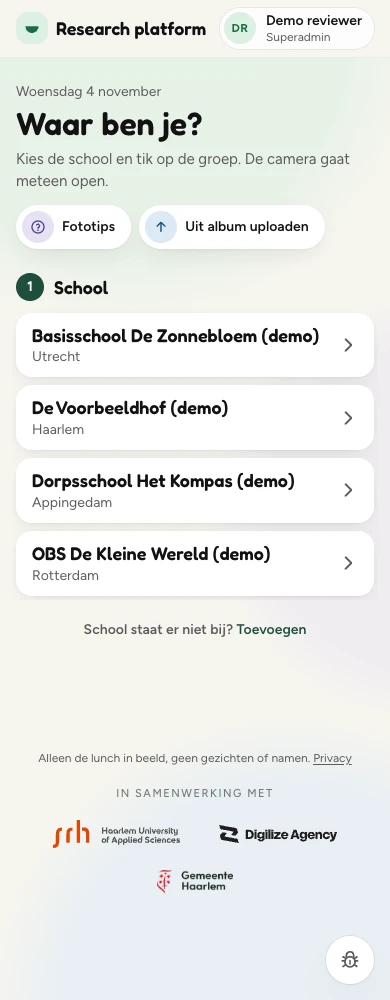
A useful research tool has to work during the activity it supports. In a classroom, collecting lunch photos should not mean waiting for an analysis after every picture or losing track of which group the photos belong to.
We started with that experience. The person taking photos selects a school and group, captures the lunches and sees the collection progress. Analysis happens separately, so they can continue with the next photo.
The flow also accounts for an unreliable connection. Photos waiting to be sent remain visible, with a way to continue when connectivity returns. That matters because collecting the information and processing it are different jobs, even when they belong to one research process.
Connect the steps around the research
We designed collection, analysis, review and reporting together. Each step needs the right context from the one before it, without asking someone to carry that context across by hand.
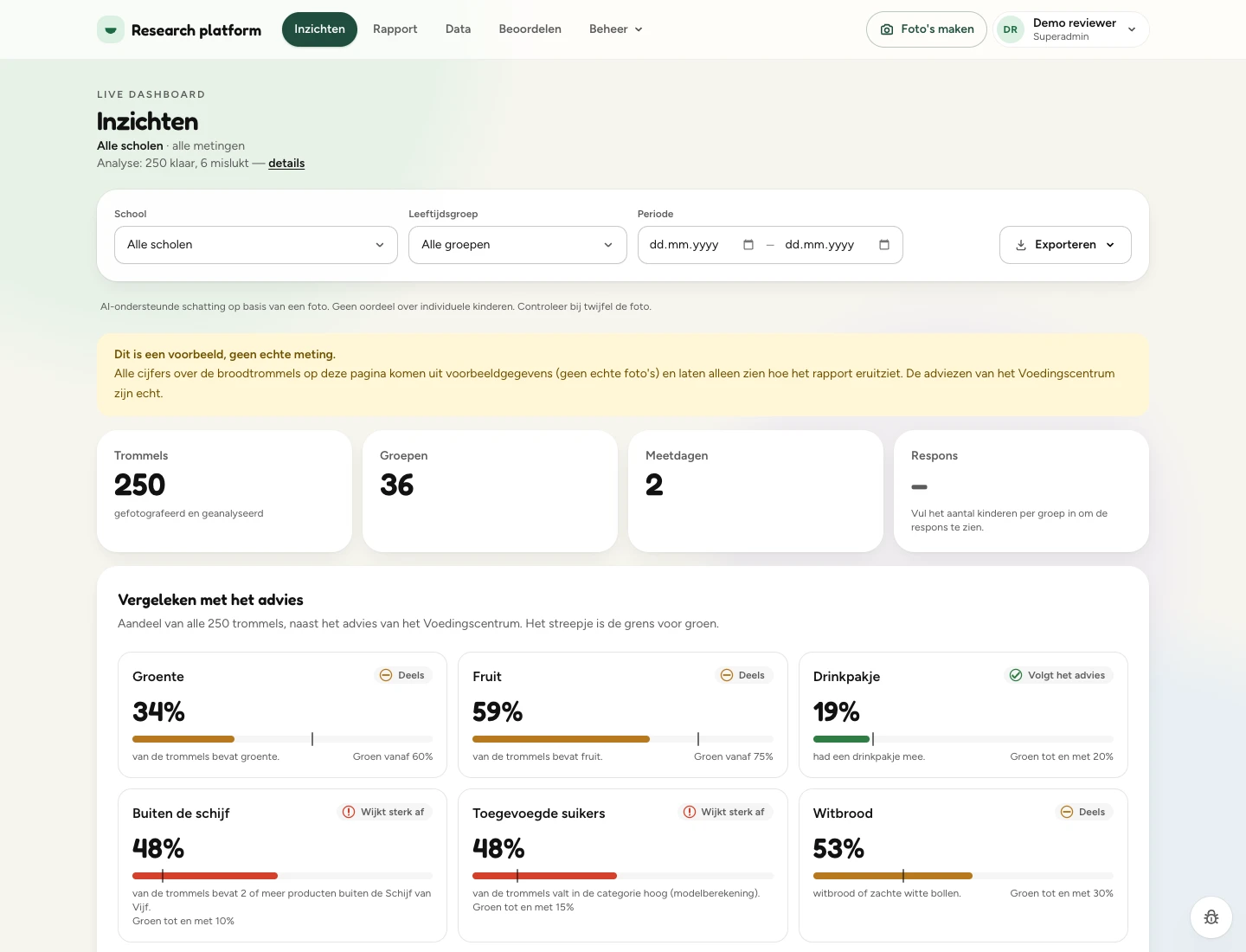
Photos stay associated with the relevant school and group. AI-assisted analysis estimates what the images show. Those estimates feed school-level summaries and reports, while an expert can inspect individual results through a separate review view.
Different people need different experiences. The collection view stays focused on capturing lunches. The review view supports close inspection. The school dashboard brings patterns together. Connecting them makes the research easier to work with without putting every task on every screen.
One research journey, from collection to reporting
Give human judgment a place in the product
A photo can leave questions unanswered. A portion may be partly hidden, or two foods may look similar. An AI estimate needs to remain something a person can assess.
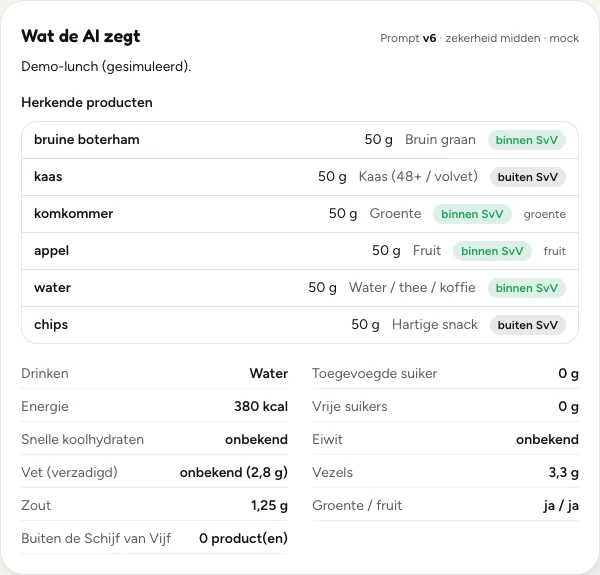
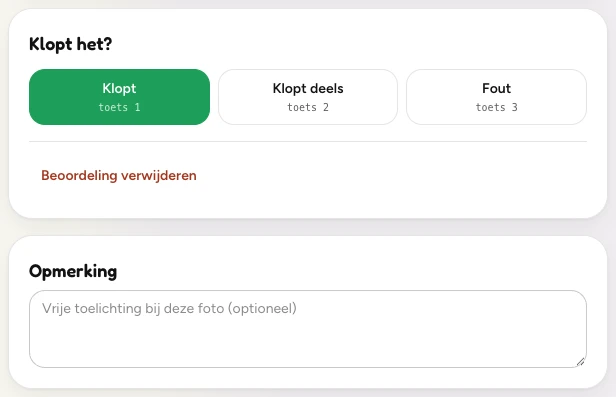
We built a review experience that puts the image beside the estimated result. An expert can evaluate it, record corrections and add context. Those observations provide a useful record for subsequent improvements to the analysis approach.
Human review is a capability of the platform, rather than a claim that every result has been checked. Keeping that distinction clear helps people understand what they are looking at and where judgment is still needed.
An estimate people can inspect and question
Make the information useful beyond collection
The dashboard brings estimates together by school and group. Reports provide another way to share that overview and support conversations about the patterns in the collected lunches.
We kept the journey connected: collect the information, follow its progress, inspect results where needed and bring the findings into a usable overview. The platform supports that work without presenting photo-based estimates as precise measurements.
Leave room for the next research question
We built the platform around a process that can develop as the research evolves. Collection, review and reporting can be refined together as people use the service and identify what would help next.
That is Solution Engineering in practice: understand the work in its setting, make the important handoffs clear and build the experience around them. In our work on ILCI’s research platform, the same approach connected finding research, reading it and maintaining it.
Here, the result is a platform that brings data gathering, AI-assisted analysis and human judgment into one workflow, with a foundation for further research and development.
Have a research or operational process that could benefit from the same connection? Tell us how the work happens today.