
When the last dough ball is gone, the online shop needs to know. When a delivery leaves the kitchen, the driver needs the right address. And when a guest wants an update, someone making pizza should not have to stop to find it.
What is Tablena?
Tablena is a restaurant POS and online ordering platform developed by Digilize Agency in Haarlem, Netherlands, for takeaway and delivery restaurants. It connects the branded online shop, counter, kitchen screens, printing, delivery and back office through shared menu, stock and order information.
The product grew out of practical needs we encountered through our work with Ciro Pizza in Haarlem.
The conversations started months before the build. In under four weeks of development, we built the connected platform and began preparing it for its first restaurant pilot.
It started with the work around the pizza
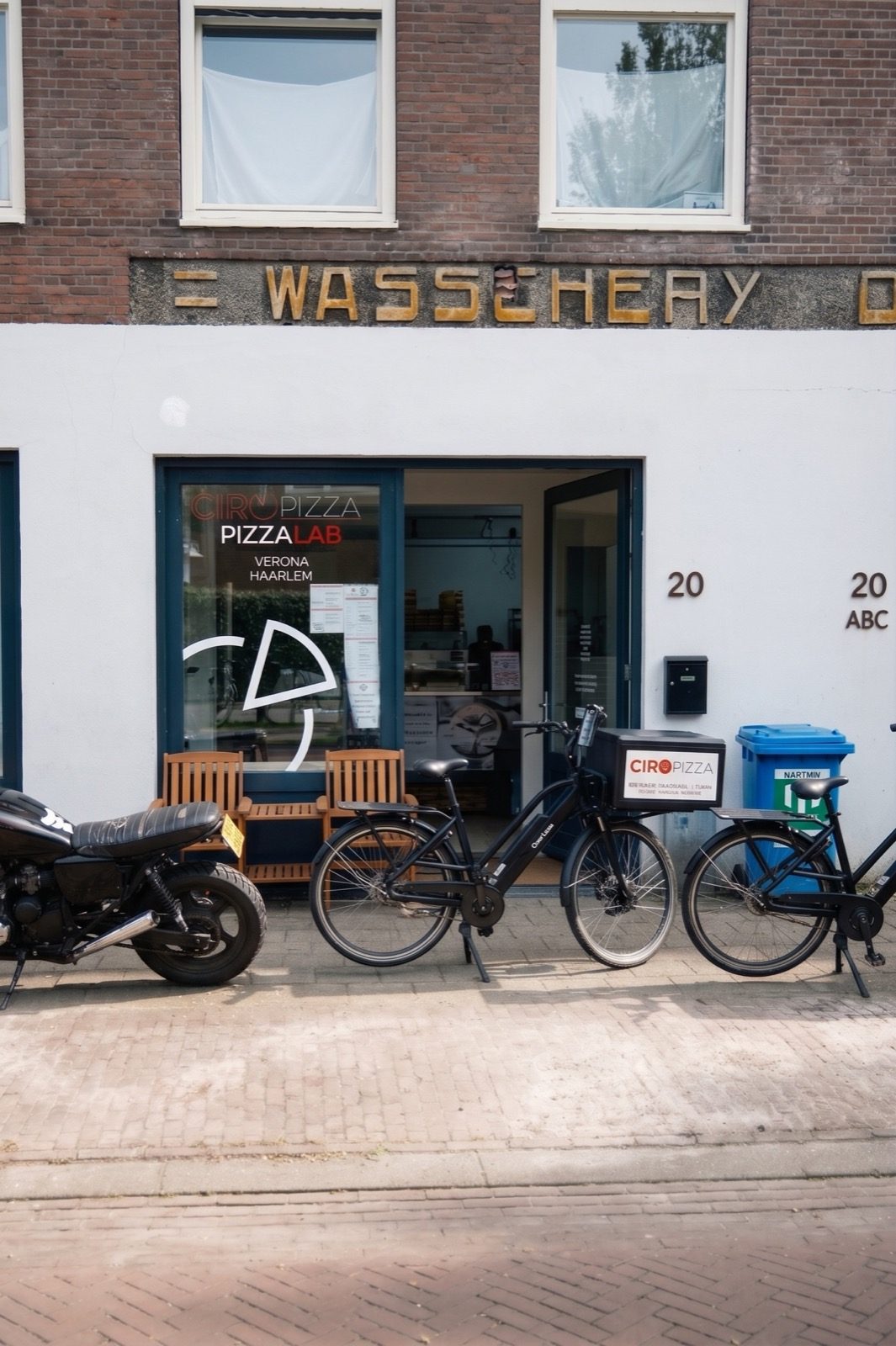
Vincenzo runs Ciro Pizza on the Amsterdamsevaart. Our work with Ciro Pizza included the restaurant’s website. The conversations also took us into what happened after a guest placed an order.
During a rush, phone calls interrupt preparation. The kitchen needs to know what is next and how much it can still make.
One problem was limited fresh dough: customers could keep ordering when the kitchen had run out. Another was re-entering delivery addresses under pressure, which had already led to mistakes.
The need was clear: keep the order information moving so the team could concentrate on making and delivering the food.
The conversation changed what we built first
An AI phone agent was one of the first ideas we discussed. It could take orders and answer questions without pulling someone away from the kitchen.
But working through the process with Vincenzo changed the priorities. The driver app became essential to the first version. Getting delivery details directly onto the driver’s phone addressed an immediate problem. Giving guests a way to check their order status could also reduce the need to call.
The phone agent could wait. The order, stock and delivery information needed to work together first.
That decision gave us a clear starting scope. We would connect the journey from ordering to delivery, with a shared menu and order record behind it.
From one restaurant’s needs to a shared product
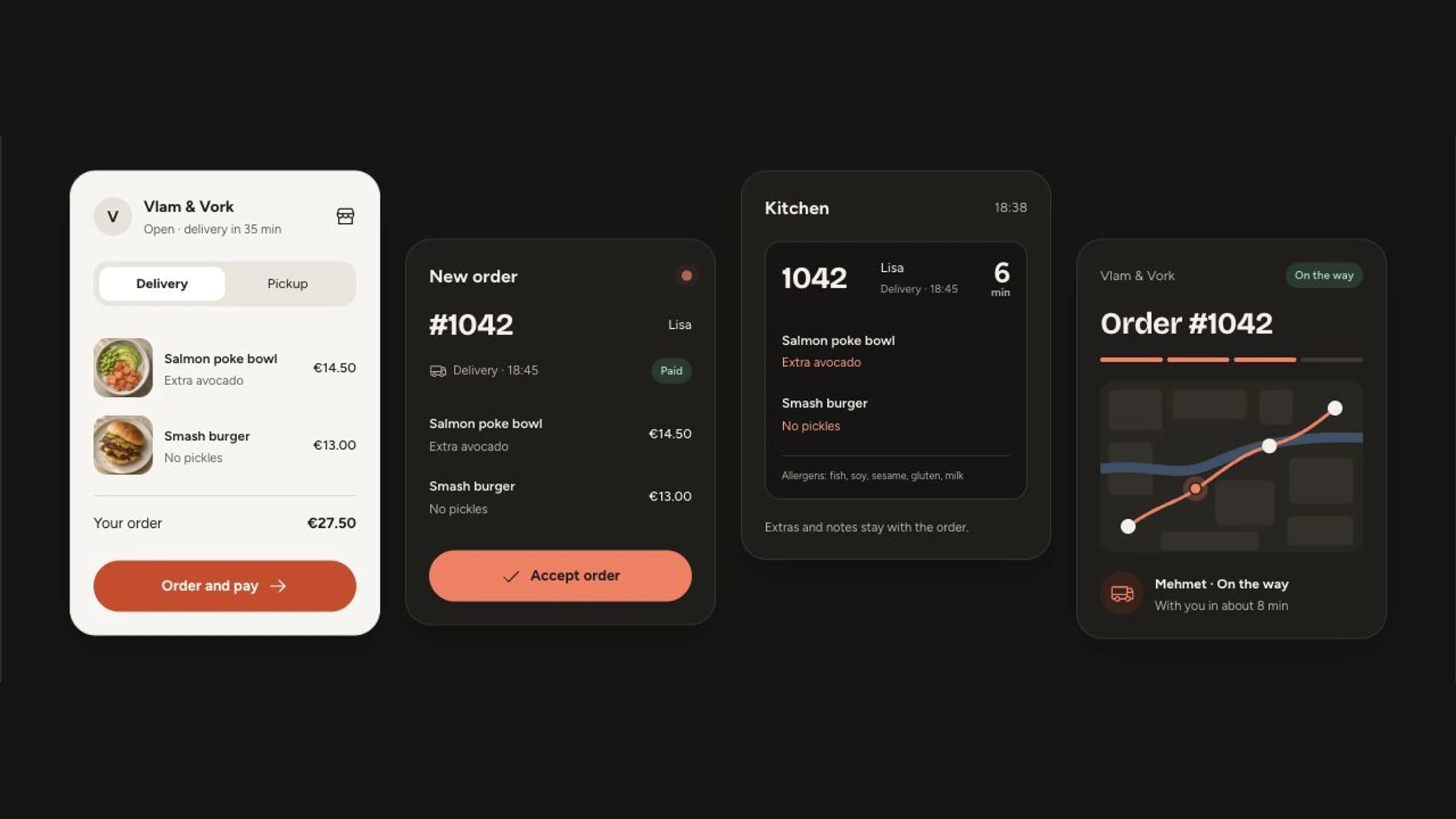
In Tablena, a guest orders through a shop with the restaurant’s branding and menu. Choices, extras and notes travel with the order to the counter, kitchen screen and printed ticket. Staff move it through preparation and hand it to a driver, who sees the delivery details in the app. The guest can follow its progress.
Every detail.
Vlam & Vork
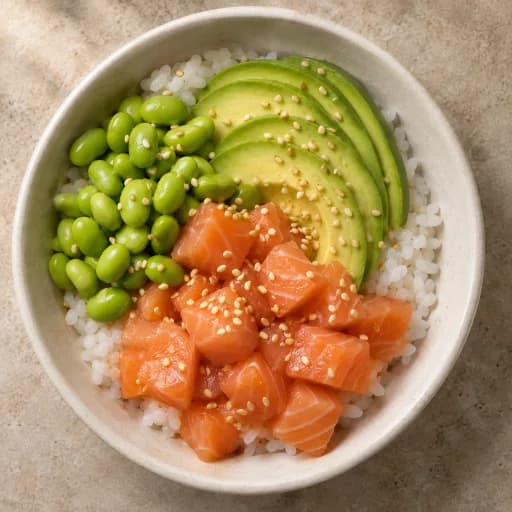 Salmon poke bowlExtra avocado€14.50
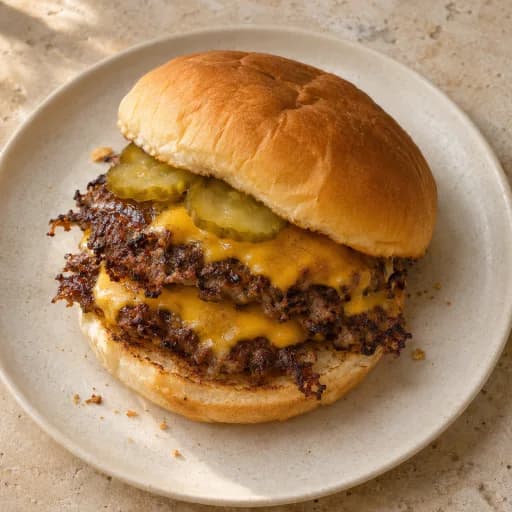 Smash burgerNo pickles€13.00
Stock follows the same principle. A restaurant can set a limit for one dish or share a stock pool across several. If every pizza draws from the same dough stock, reaching zero stops further orders across the online shop and counter.
One stock count · online shop + counter
Delivery · 18:456min
Extras and notes stay with the order.
The owner manages the menu, opening hours, delivery area and team in the back office. Different people see the information they need, while working from the same underlying system.
We built these as shared features and restaurant settings. Ciro Pizza supplied concrete requirements; other restaurants can use them with their own menus and ways of working.
How the build moved quickly
The platform build began on 16 October 2026. The menu, ordering site and back office came first, followed by counter ordering, payments, kitchen printing and delivery.
We spend time on-site with the people who will use the software. At Ciro Pizza, that meant sitting down with Vincenzo in the shop and working through the order flow around the counter, kitchen and drivers. Being there helps us understand where a screen belongs, what staff need to see and which steps get in their way.
One shared system meant we could carry the same menu, pricing and order information across those interfaces. Working directly with the people using it kept feedback specific and decisions close to the work.
On 26 October, we demonstrated the platform to Vincenzo. He asked for larger type on the kitchen TV, daily stock limits, support for his existing network printer, a pizza crust choice and a clearer view of returning drivers. By the next day, those additions were built into the pilot platform. Testing them on the restaurant’s actual hardware and delivery routes remained part of the pilot preparation.
The driver’s view
The guest’s view
We built Tablena using Digilize’s AI-native development approach. AI is part of how we scope and build software; the priorities come from the people doing the work. Here, that meant putting the driver workflow ahead of the phone agent.
The short build came from that combination: a connected foundation, a focused initial scope and feedback on something the owner could actually try.
For Digilize, this is Solution Engineering in practice: work directly with the people running the business, find where information or time gets lost, and build a system around what they need. Tablena grew out of that work into a product we can offer to other restaurants.
Run a takeaway or delivery restaurant? Explore Tablena and request a demo.
If your team keeps entering the same information twice or calling someone to check a status, tell us how the process works. That is where we start.